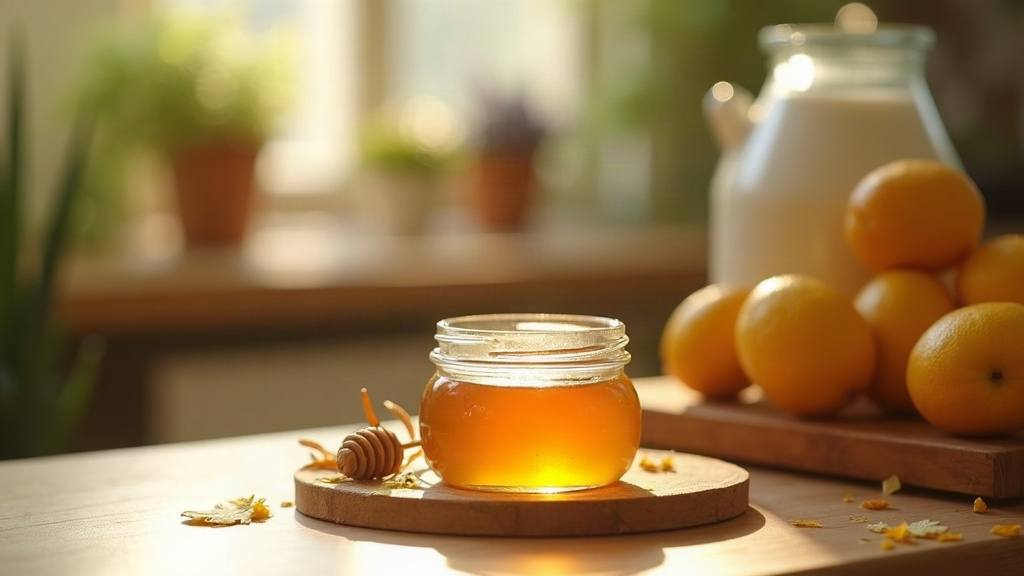
A closer look at the old winter habit of stirring honey into a warm drink before the day winds down — and why so many people over 50 still make time for it, season after season.
Before jumping into any routine, it helps to understand what’s actually happening day to day. Here’s what most mornings and evenings start to look like for many people once they pass 50 — including the quiet moments a warm cup of tea and a spoon of honey tend to show up in.
Names, dates, and small details seem to slip a little easier than they used to. It's less about forgetting big things and more about the small ones piling up.
Many people notice lighter, shorter sleep after 50, which can leave mornings feeling foggier than they used to before that first cup of something warm.
Shorter days and colder routines change how people move through their evenings, which is exactly when old rituals — like warming honey into tea — tend to resurface.
Some days concentration feels sharp, other days it doesn't. That inconsistency is one of the most commonly discussed shifts among people in this age range.
There’s a lot of noise out there. Here’s a plain, side-by-side look at some of the most repeated ideas — and what’s actually closer to the truth.
Memory changes mean something is seriously wrong.
Some shifts in recall speed are a normal part of aging and are not automatically a sign of a medical condition.
Nothing about daily habits matters once you’re past 50.
Sleep, evening routines, and stress levels are widely discussed as factors that influence how sharp a day feels.
Old-world habits like warm honey drinks are just folklore with no reason behind them.
Many winter traditions, including warming honey into tea, have simply persisted because people found the ritual itself calming — not because of any guaranteed effect.
This isn’t a program or a prescription — it’s a practical, three-step way to think about winding down that many people in colder climates have followed for years.
Pick one fixed moment each evening — after dinner, before the news, whenever — and protect it as a quiet pause instead of letting the evening blur together.
A warm drink, often with a spoon of honey stirred in, has long been part of this pause in colder regions. The point is the ritual and the slowing down, not any single ingredient.
The habits that last are the ones that stay simple. A five-minute pause repeated nightly tends to stick far better than an elaborate routine attempted once.
Long winters in Northern Europe shaped a lot of small household routines that had nothing to do with medicine and everything to do with getting through the dark months comfortably. Warming honey into tea or milk before bed was one of those routines — passed between generations less as a remedy and more as a way to mark the end of the day. It shows up in old journals, regional cookbooks, and family kitchens across Scandinavia and the Baltic states, usually tied to the same idea: slow down, warm up, and let the evening settle before sleep.
The insight isn’t about the honey itself — it’s about what a small, repeated evening ritual does for how a day gets closed out. That’s the part modern routines often skip entirely.
Occasionally losing your train of thought is common. Losing it repeatedly in the same conversation is worth noting.
Everyone misplaces keys sometimes. A clear increase in frequency is a pattern worth mentioning to a doctor.
Getting turned around on a route you've driven for years is different from an occasional wrong turn.
Tasks you've done for decades suddenly feeling unfamiliar or confusing deserves attention, not dismissal.
Pulling away from hobbies or routines because they feel harder than before can be an early signal worth discussing.
When forgetfulness comes with noticeable mood or personality changes, that combination is worth a professional conversation.
These are individual accounts shared for illustrative purposes only. Names have been changed. Experiences vary from person to person, and none of these statements represent a guarantee of any outcome.
No. This is an educational look at a lifestyle habit, not a medical treatment, diagnosis, or cure for any condition.
Honey has been part of Nordic winter evening rituals for generations, which makes it a useful lens for talking about routine and habit — not a claim about its effects.
Not at all. Most people who mention this routine describe it as a five to ten minute addition to their existing evening, not an overhaul.
Anyone with a diagnosed condition or ongoing treatment should speak with their healthcare provider before changing any part of their routine.
The video walks through the concept and its background. Any offers mentioned are optional and clearly presented as such.
It’s a short explainer, generally a few minutes, designed to give context before you decide if it’s relevant to you.
It draws on general historical and cultural context around Nordic winter routines, combined with widely available educational material on aging and daily habits.
No pressure, no hard sell — just the full picture behind this old winter routine and why it’s still talked about today.
Advertising Disclosure: This page is sponsored content and may contain affiliate links. If you click through and make a purchase, the operator of this site may receive compensation at no additional cost to you. This arrangement helps support the content on this site.
Content Disclaimer: The information on this page is provided for educational and informational purposes only and is not intended as medical advice. Statements made here have not been evaluated by the Food and Drug Administration. This content is not intended to diagnose, treat, cure, or prevent any disease or medical condition. Always consult a qualified healthcare professional before making changes to your diet, routine, or health regimen.
Results Disclaimer: Individual results and experiences vary from person to person. Testimonials and accounts shared on this page reflect personal experiences and are not a guarantee of similar outcomes for anyone else.
© 2026 · All Rights Reserved · nlbenedettiwork.com